Is the music industry a silent burnout machine?


Is the music industry a silent burnout machine?
Passion should not come at the cost of people.
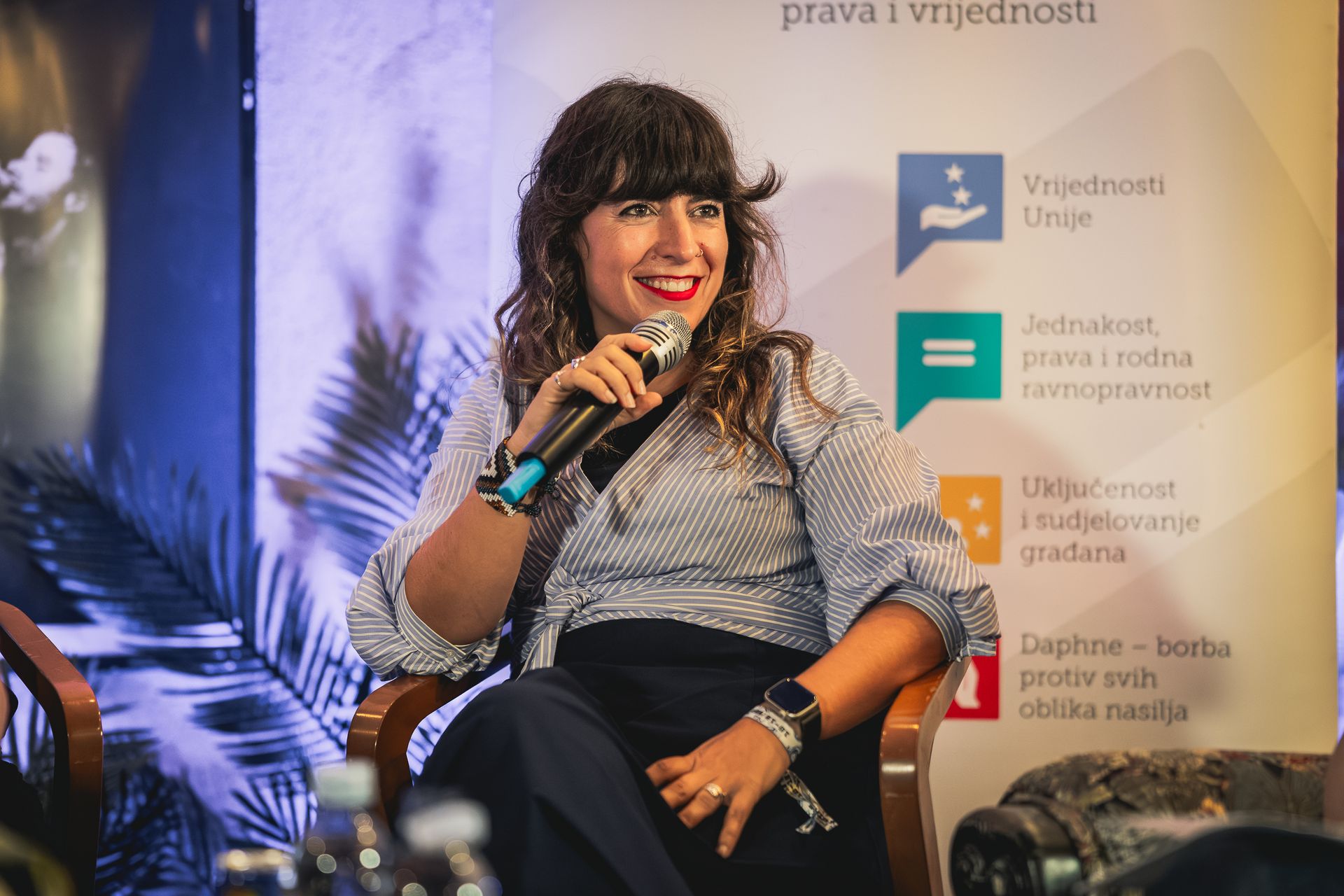
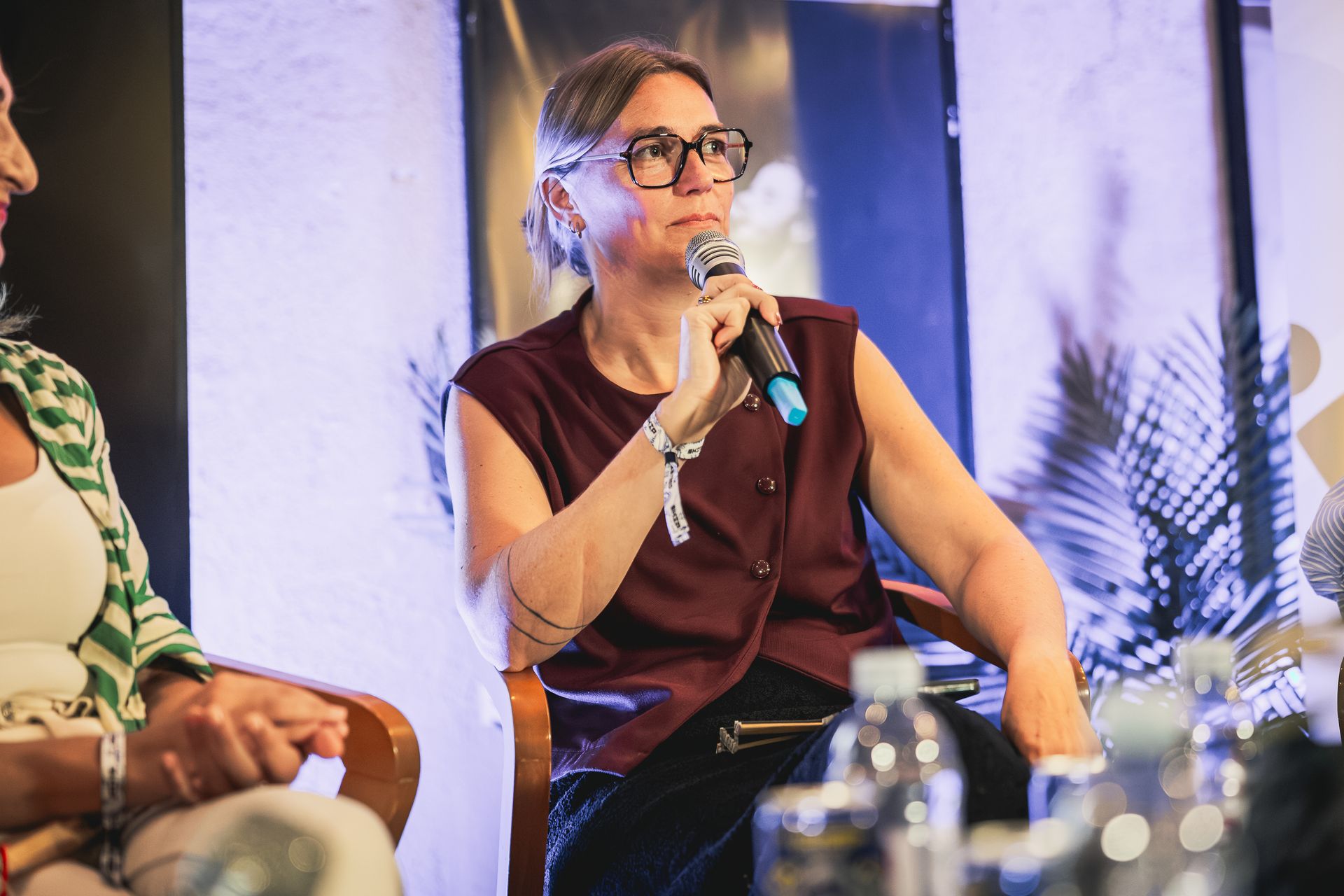
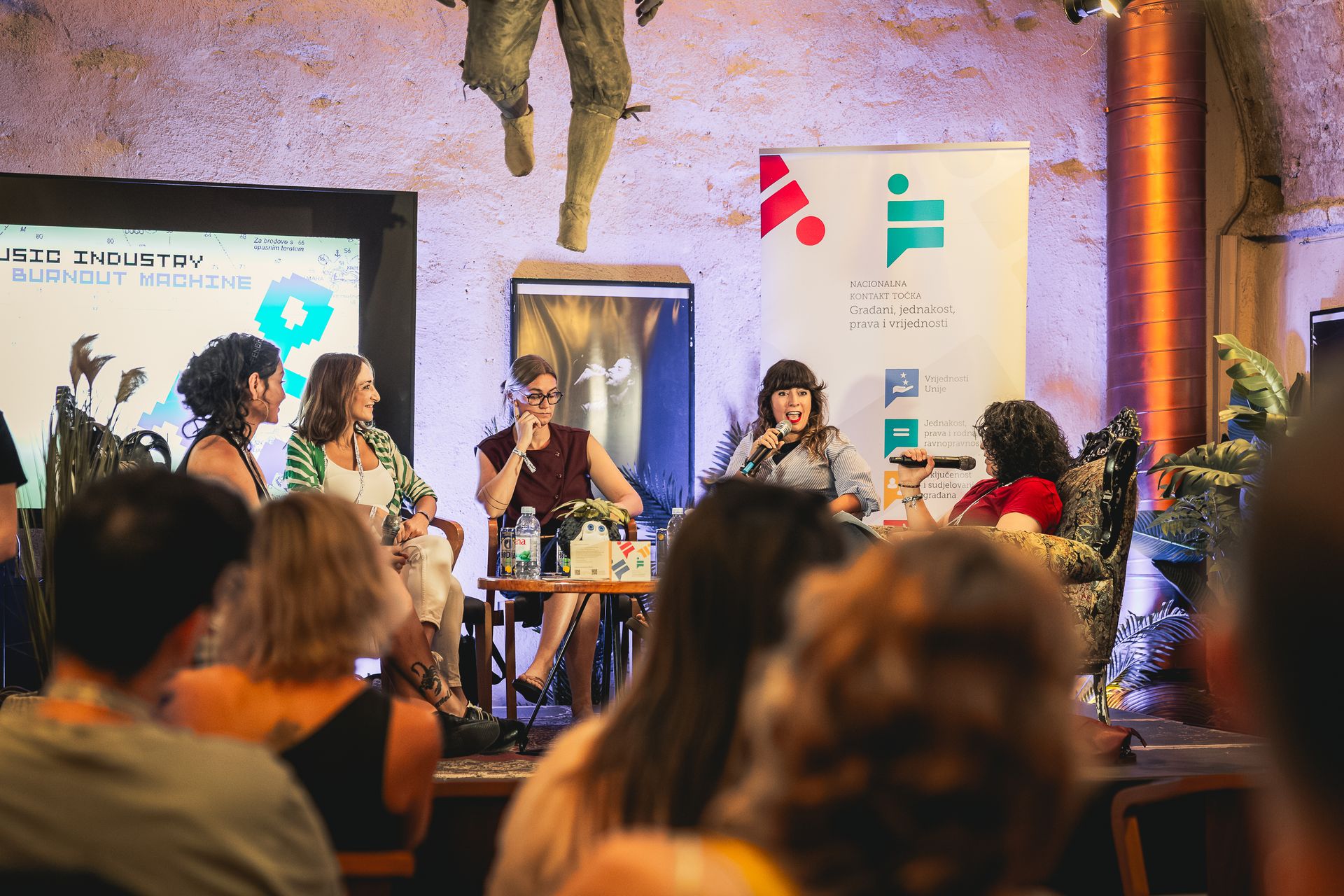
This blog is based on Is the Music Industry a Silent Burnout Machine?, a panel I moderated at the Ship Festival & Conference, Šibenik, Croatia on 12 September 2026 with Angeliki Spyridaki (Music from Greece), Rosana Corbacho (M.I. Therapy), Saskhia Menendez (Sassy Records) and Tineke Codron (Square 1 Support).
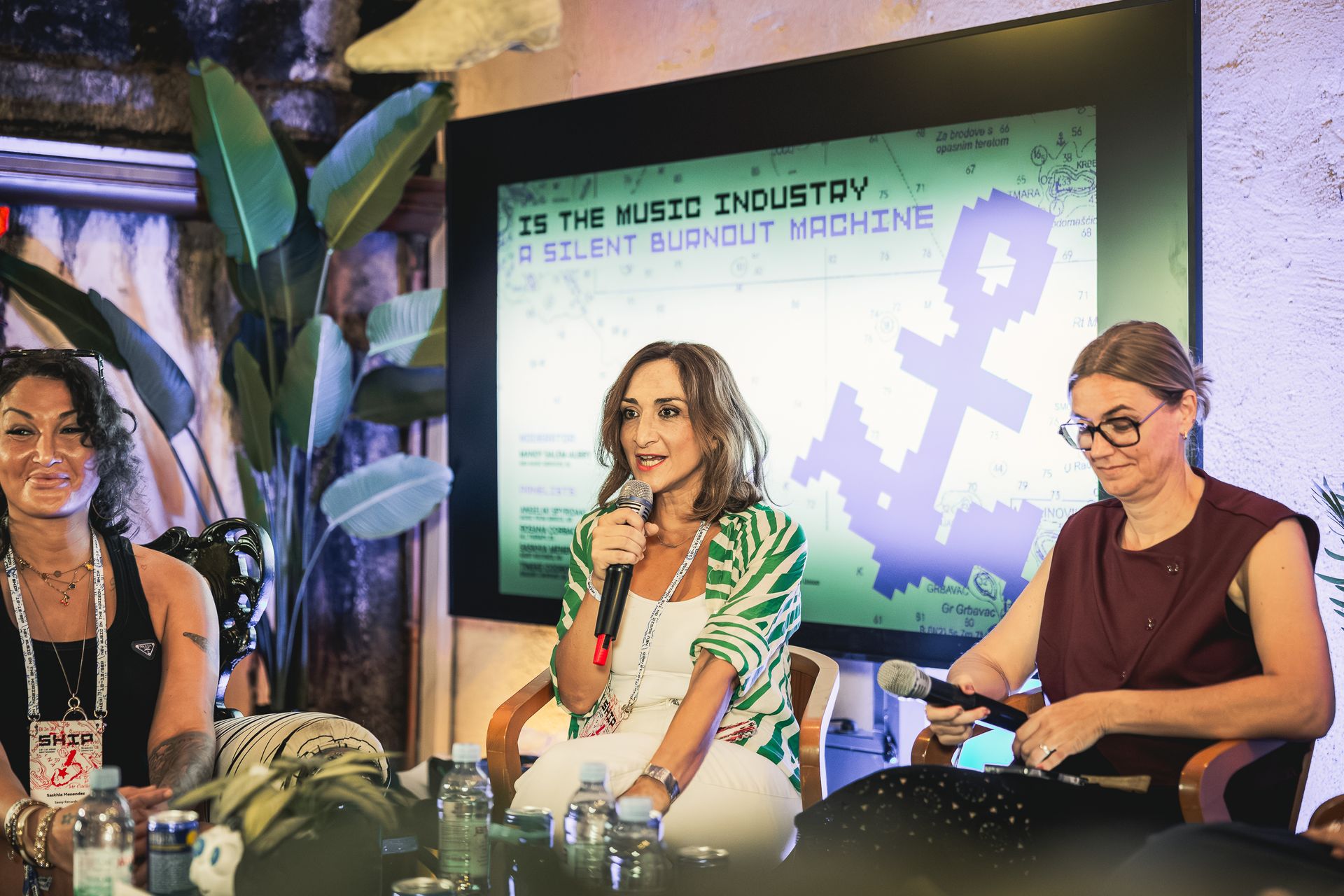
Music is powered by passion, but passion can too easily become a reason to accept long hours, unstable income, constant availability and unpaid labour. Our discussion asked a simple but important question: when does a demanding career become an unhealthy way of working?
What we looked at
Burnout is not just an individual issue
Burnout is often framed as a personal failure, something to solve with better self-care or more resilience. But the pressures people face are shaped by the wider industry: insecure work, seasonal peaks, poor infrastructure, financial uncertainty and the fear of missing the next opportunity.
Those pressures do not land equally. Gender, class, race, disability, caring responsibilities, seniority and access to money or networks all affect who can set a boundary, turn down work or take a proper break.
Recognising the signs
Exhaustion can become so normal that it is hard to notice when things are no longer sustainable. Sleep disruption, irritability, isolation, loss of joy and constant mental noise are all signs worth taking seriously.
A meaningful check-in can help. That might mean asking a trusted colleague, friend, mentor or therapist to notice what you may be missing yourself. It also means being honest about what kind of support you need before reaching crisis point.

The Global Trans Charter
The Trans Charter offers a global framework for equity, diversity & inclusion of trans and non-binary people in music & the creative sectors
Trans Charter Sign Up Form
Boundaries that work in real life
For freelancers and people working around tours, festivals and releases, “just take time off” is rarely enough. Practical boundaries can be small but powerful: deciding what is genuinely urgent, communicating working hours, preparing clients before a break, separating work and personal contact, or writing down a late-night task instead of dealing with it at 2 am.
The aim is not to step away from responsibility. It is to make work more sustainable.
A practical resource
For anyone looking to make regular emotional check-ins part of their routine, How We Feel is a free wellbeing journal designed to help people name emotions, spot patterns over time and try simple strategies in the moment. It is a useful starting point for building the reflective habits that busy music careers can often push aside.
Final thoughts
Sustainable work should be a shared standard, not a personal luxury. That means clearer expectations, fairer fees, healthier team cultures and colleagues who step in when someone cannot safely set a boundary alone.
The music industry does not need less ambition. It needs more space for people to do ambitious work without burning themselves out to prove they care.
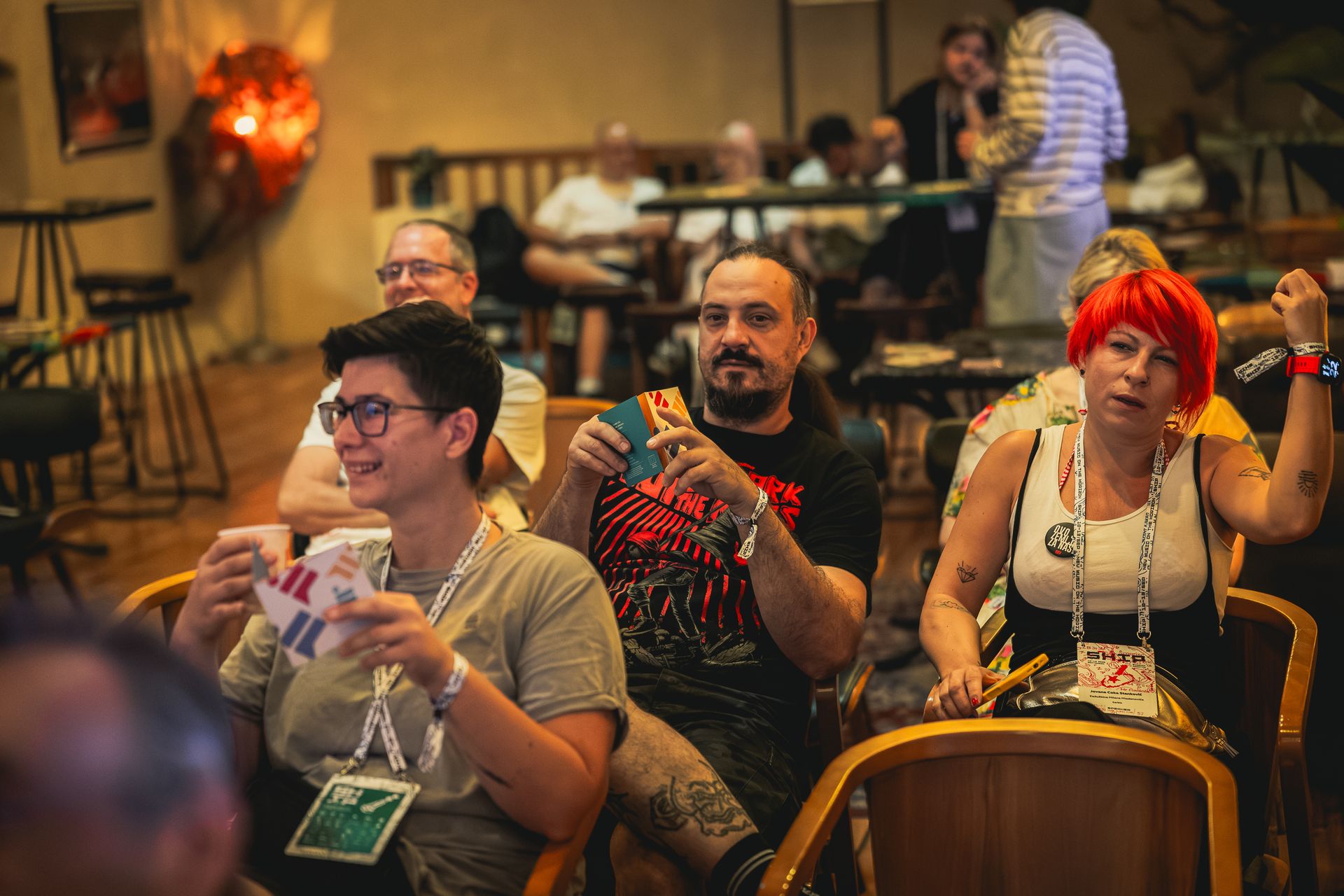
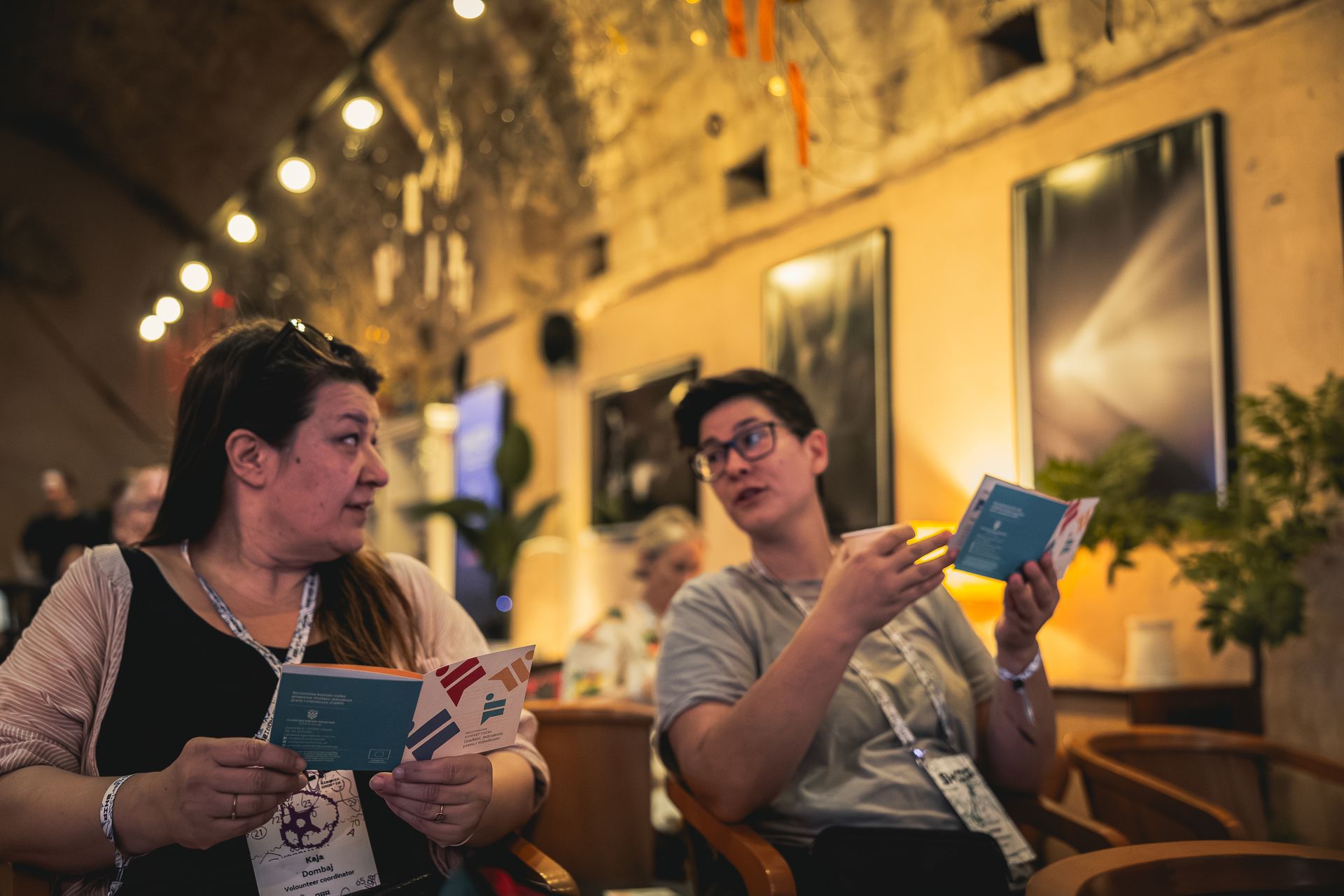
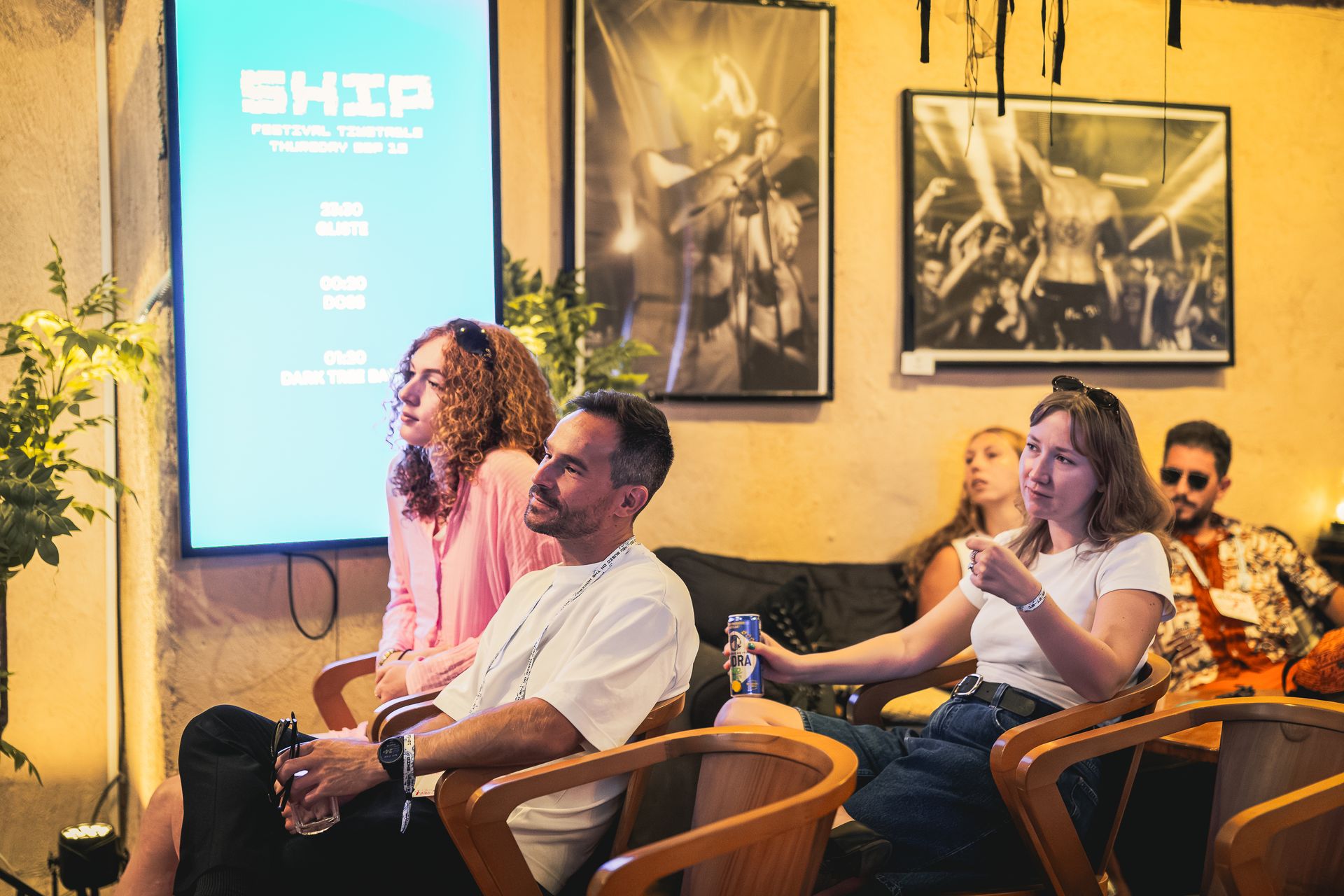
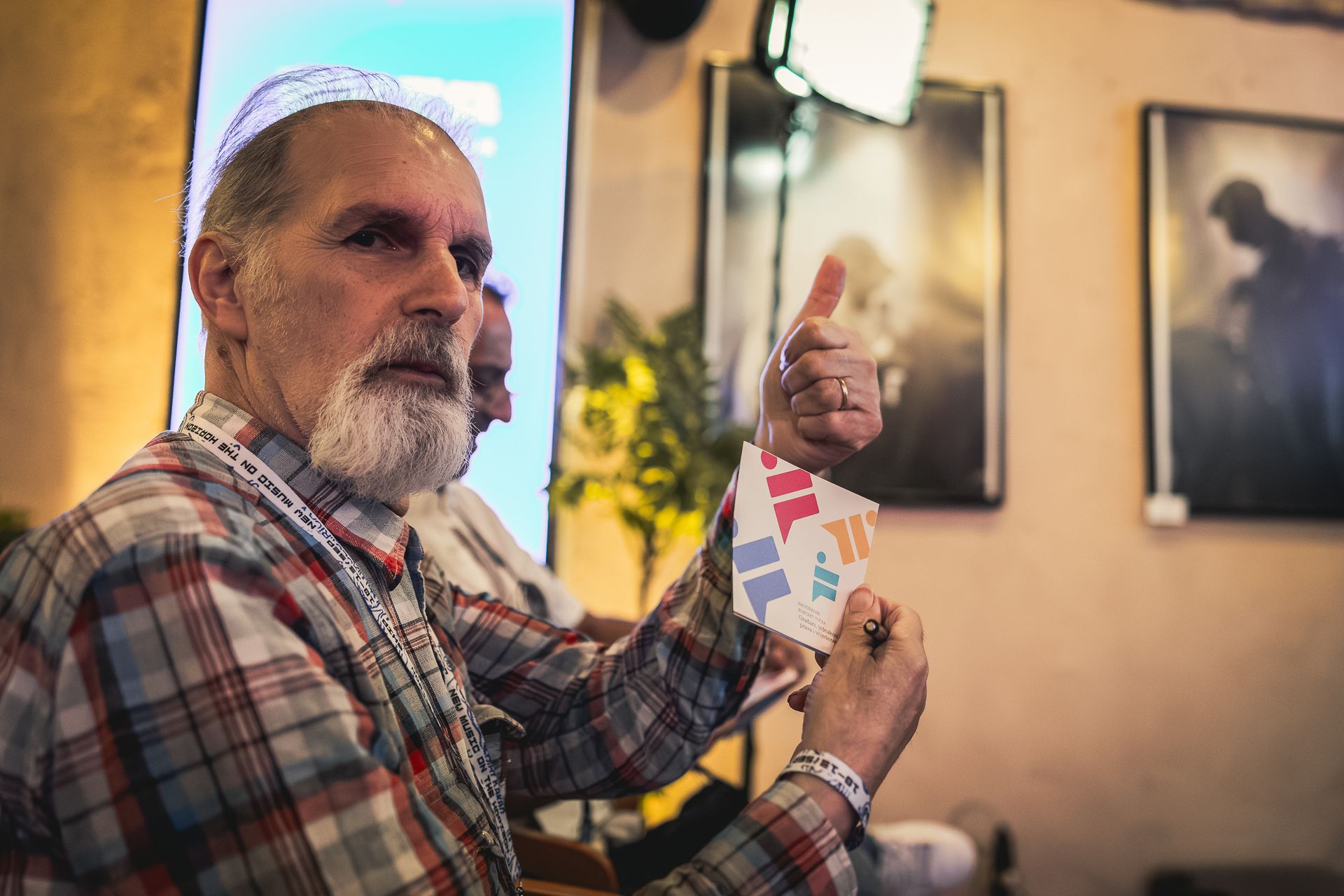
Thanks to Angeliki, Rosana, Saskhia, Tineke and the Azimut team for making space for this essential conversation.